%20(1).png)
Does Therapy for "Baby Blues" Work
Many new mothers experience sadness after having a child. During a time when mothers would expect themselves to be happy, they inexplicably find that they feel sad. Feeling this way does not mean that there is something wrong with you, but rather it is something common called "baby blues". In this blog, we are going to talk about the "baby blues" and what sets them apart from postpartum depression (PPD). We will also look at how therapy for "Baby Blues" actually helps, and what new parents can do to start feeling like themselves again. If you or someone you love has recently had a baby and is struggling, this blog was written with you in mind.
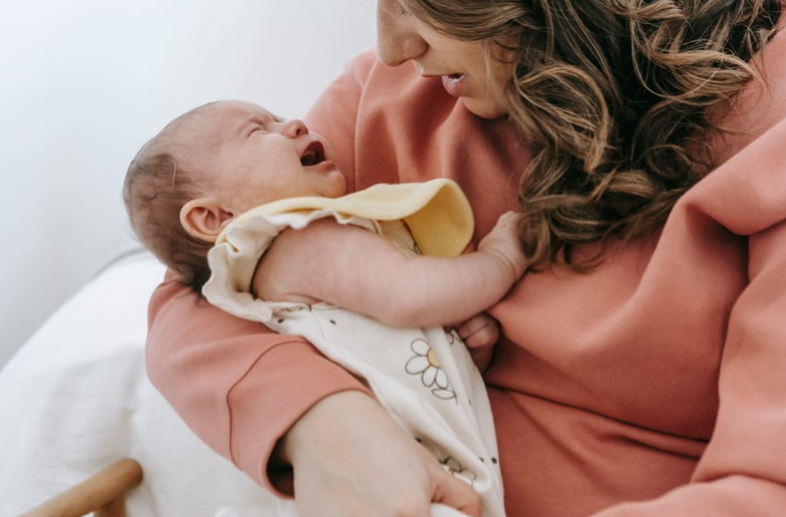
At Florecer Family Counseling, we are here for you. Whether you are going through a big life change, feeling overwhelmed, or simply need someone to talk to, our team of caring professionals is ready to help. We offer a wide range of mental health and therapy services designed to meet you right where you are. No matter what you are facing, you do not have to face it alone. We invite you to reach out to us today. Schedule a consultation call to learn how we can help you.
What Are the "Baby Blues"?
Having a baby is one of the most amazing events in a person's life. Babies bring joy, laughter, and so much love into a home. But the truth is, they also bring sleepless nights and changes that affect every part of your life.
Right after giving birth, a woman's hormones shift dramatically. These hormonal changes can cause feelings of sadness, worry, and mood swings. This is what most people call the "baby blues," and it is a very normal and natural response to childbirth.
Common symptoms of the baby blues include:
• Feeling sad or tearful for no clear reason
• Mood swings that come and go quickly
• Feeling anxious or on edge
• Trouble sleeping, even when the baby is sleeping
• Feeling irritable or easily overwhelmed
• Difficulty concentrating
The good news is that for most new moms, these symptoms are mild and go away on their own within about two weeks. Rest, support from loved ones, and self-care can go a long way during this time.
Baby Blues vs. Postpartum Depression: What Is the Difference?
This is one of the most common questions new parents have, and it is an important one. While the baby blues and postpartum depression (PPD) can feel similar, they are not the same thing.
Here is a simple way to think about it:
• Baby Blues: Mild symptoms that start within the first few days after birth. They usually go away on their own within two weeks.
• Postpartum Depression (PPD): Symptoms that are more intense, last longer than two weeks, or get worse over time. PPD requires professional care.
Signs that you may be dealing with PPD rather than the baby blues include: feeling hopeless or worthless, withdrawing from your baby or loved ones, being unable to care for yourself or your baby, having thoughts of harming yourself or your baby, or feeling detached from reality. If any of these apply to you, please seek help right away.
If your symptoms are not improving after two weeks, or if they seem to be getting worse, please reach out to a mental health professional. PPD is treatable, and asking for help is a great start for protecting your maternal mental health.
Can New Fathers Get the Baby Blues Too?
New fathers can also get baby blues, which surprises many people. Research shows that rates of depression among new fathers are very similar to those among new mothers. For dads, the cause is not hormonal, but the experience is just as real. New fathers can feel anxious, overwhelmed, disconnected, or unsure of themselves. The pressure of a new baby, less sleep, and changes in the relationship can all take a toll. The baby blues and PPD are not "mom problems," they are family challenges. Both parents deserve support, and both can benefit from therapy when things feel too heavy to carry alone.
Does Therapy Actually Help with the Baby Blues?
The short answer is yes. Therapy can be a powerful tool for new parents, whether you are dealing with mild baby blues or something more serious like PPD.
Here is how therapy can help:
• A safe place to talk: Sometimes you just need to say out loud how you are really feeling. A therapist offers a judgment-free space where you can be completely honest.
• Tools to manage your emotions: A therapist can teach you practical strategies to cope with anxiety, mood swings, and the stress of new parenthood.
• Help identifying PPD early: A therapist can help you figure out if what you are experiencing is the normal baby blues or something that needs more attention.
• Support for your relationship: Couples therapy can help both partners feel heard and connected during a time that can put real strain on a relationship.
• Confidence as a new parent: Therapy can help you work through fear and self-doubt so you can feel more confident in your role as a parent.
Studies consistently show that therapy, particularly cognitive behavioral therapy (CBT), is highly effective for treating postpartum depression and anxiety. Many people see real improvement after just a few sessions. And even if you are only dealing with the baby blues, having a therapist in your corner can make those early weeks feel a lot less lonely.
How New Parents Can Find Relief from the Baby Blues
There are several things you can do right now, today, to start feeling better. You do not have to wait until things get really hard to take action.
Lean on Your Support System
One of the best things new parents can do is let people help. Friends, family members, neighbors, anyone who is willing to pitch in. This is especially important if this is your first child. Accepting help means you and your partner can actually get some rest in those first exhausting weeks. And getting rest makes everything else easier to handle.
Watch What You Eat and Move Your Body
It is tempting to survive on fast food and coffee when you have a newborn. But the foods you eat have a direct impact on your mood and energy. Try to eat balanced meals when you can, and limit processed foods that give you a quick energy boost followed by a crash. Even a short walk outside each day can help your body release feel-good endorphins and improve your mood.
Talk to a Therapist
Speaking with a therapist is one of the most effective steps you can take. A mental health professional can help you sort through your emotions, create a plan for coping, and make sure you are getting the level of support you actually need. You do not have to be in crisis to benefit from therapy. Many parents find that just a few sessions can make a real difference.
When Should You Call a Professional?
It is always okay to reach out for help. But there are certain signs that mean you should not wait:
• Your symptoms are not getting better after two weeks
• You feel unable to bond with your baby
• You are having thoughts of harming yourself or your baby
• Your anxiety or depression is interfering with daily life
• You feel completely alone or hopeless
If any of these sound familiar, please reach out to us at Florecer Family Counseling. We are here and ready to help you with your maternal mental health needs.
Overcoming Baby Blues
The baby blues are a normal part of becoming a new parent, but you do not have to go through them alone. If symptoms last longer than two weeks or feel too heavy to carry, it may be time to talk to someone. Therapy is one of the most effective tools available for new parents dealing with anxiety, depression, and the emotional weight of this big life change. At Florecer Family Counseling, our compassionate team is here to support individuals, couples, and families through every stage of the journey. Request your consultation call to learn more about how we can help you.
Read More Blogs
Frequently Asked Questions
What is baby blues? Baby blues is when a new mom feels sad, worried, or emotional after having a baby. These feelings are very common and usually go away on their own.
When do baby blues happen? Baby blues most often start within the first few days after birth. They usually last about one to two weeks.
Do fathers get baby blues? Yes, dads can feel sad or stressed after a new baby arrives too. These feelings are normal and are sometimes called "paternal baby blues."


Comments